Pioneers of Impulse Excitation
Sixty years of measuring elastic properties from a single tap. Used in laboratories and on production lines across fifty countries.
From Grinding Wheels to a Global Standard
Joseph Lemmens founded GrindoSonic in Leuven in 1966. As a member of the CRIF research team, Belgium's industry research center, he had helped develop Impulse Excitation Technique for grinding-wheel manufacturers, and he built the first commercial instrument to apply it. Tap a wheel, record its resonant frequencies, calculate its elastic modulus: faster than any mechanical test, and repeatable to a degree mechanical testing could not match.
The same physics works on more than grinding wheels. Within a few years our customers were running the technique on refractories, advanced ceramics, metals, composites, and eventually additively manufactured parts. The procedure does not change: tap the sample, record the vibration, calculate elastic properties in under a second.
We still build everything in Leuven. Lemmens's instruments now run in production lines, university laboratories, and national metrology institutes across fifty countries, on materials he never imagined. The IET procedure has barely changed since 1966.
Milestones
A Brief Timeline
- 19661966
Founded by Joseph Lemmens
Joseph Lemmens founded J.W. Lemmens N.V. in Leuven on 22 March 1966. As a member of the CRIF research team that developed impulse excitation, he built the first commercial instrument and brought it to grinding-wheel manufacturers.
- 1970s1970s
Refractories, ceramics, composites
Customers in refractories, advanced ceramics, and composite materials adopted the technique. The first automated measurement systems shipped during this decade.
- 1980s1980s
High-temperature characterization
GrindoSonic engineers extended IET to high-temperature material characterization, making elastic properties measurable at temperatures destructive testing could not reach.
- 1990s1990s
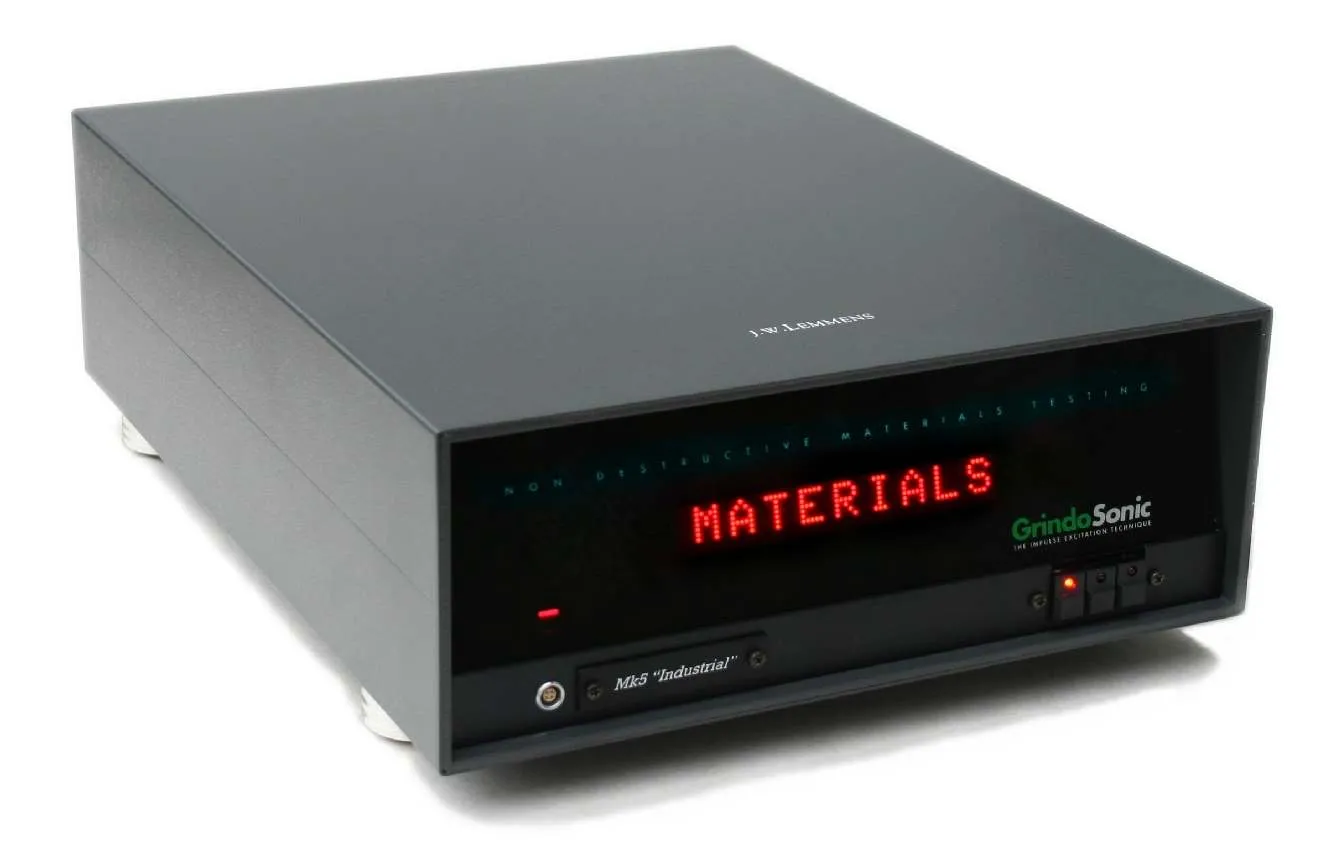
MK5 Industrial
The MK5 Industrial brought IET from the laboratory bench onto the factory floor. Of all GrindoSonic instruments, the MK5 had the longest production run.
- 2000s2000s
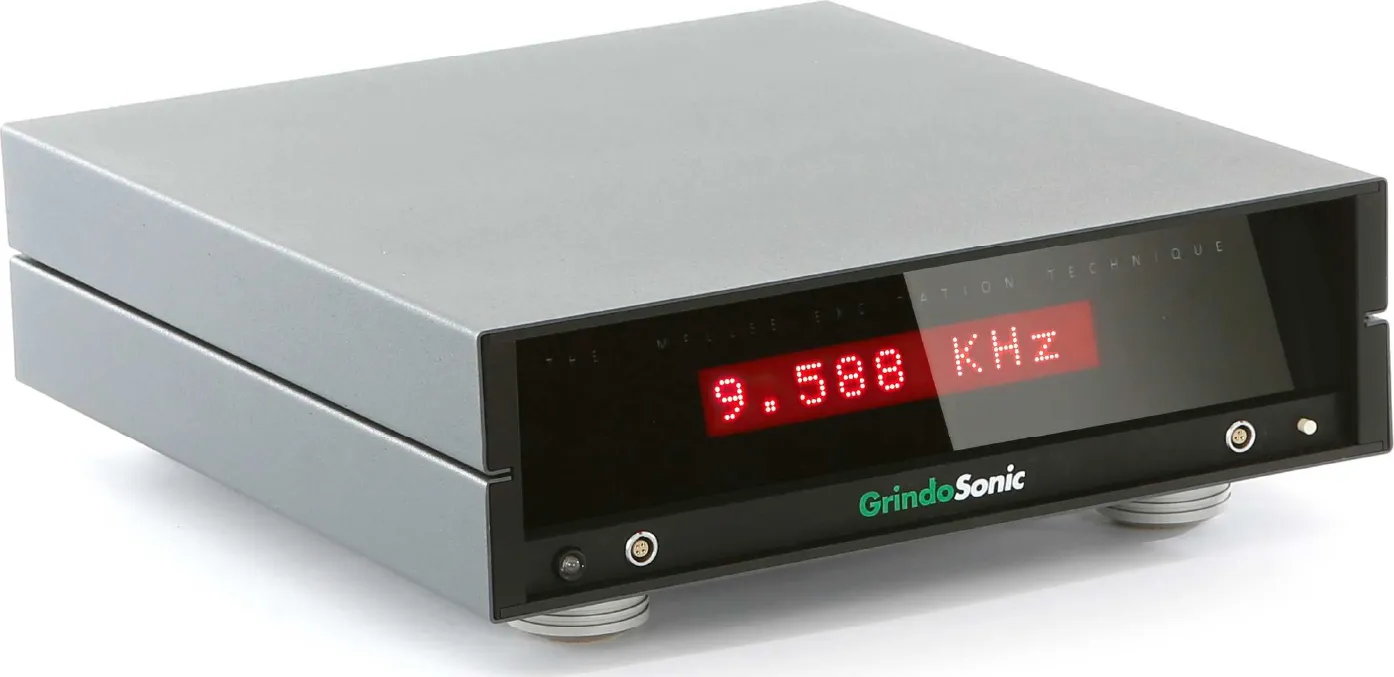
MK6
The MK6 succeeded the MK5 as a more compact instrument for laboratory and production work, before giving way to the MK7.
- 2010s2010s
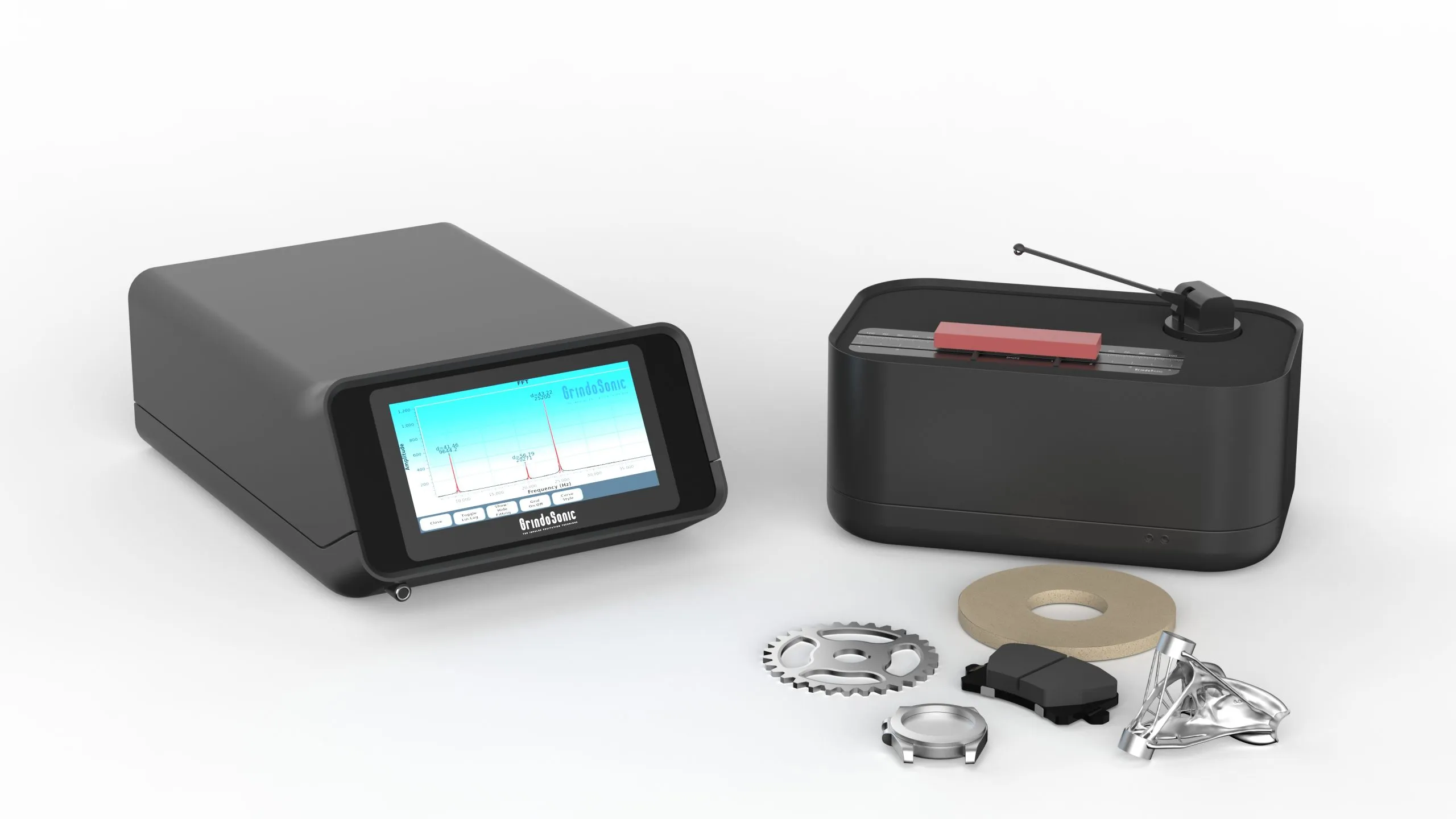
MK7 with full-spectrum analysis
The MK7 added full-spectrum analysis and software-programmable settings. It is the platform GrindoSonic builds today.
- 2020s2020s
Additive manufacturing and complex parts
IET reached additive-manufactured parts and small or complex geometries through semi-automatic setups like the Measurement Station.
- TodayToday
1,700+ systems in 50+ countries
GrindoSonic systems run on production lines and in research labs across more than fifty countries. We have shipped over 1,700 instruments since Lemmens founded the company in 1966.
What Sets Us Apart
Why Customers Choose GrindoSonic
Impulse excitation is the only thing we do. The whole company is built around the technique.
Sixty Years of IET
Sixty years of refining the same technique: hardware, signal processing, and application support across more industries than we can list on this page.
Built for Both Worlds
The same instrument calibrates a national metrology lab and inspects 100% of an automotive production line. We did not build a research version and a production version. There is one box.
Standards-Compliant by Design
Our instruments implement ASTM E1876, ASTM E1875, and ENV 843-2. Standards committees reference GrindoSonic measurements when defining test procedures.
Belgian Engineering, Global Support
Our engineers design and build every system in Leuven. Application engineers and partners on six continents back you up locally, wherever you operate.
By the Numbers
Sixty Years of Measurement
Want to Discuss Your Application?
Send us your samples or your questions. We'll show you what GrindoSonic can do for your materials, in research or in production.