
Key Takeaways
- Concrete stiffness evolves over weeks, months, and even years as hydration reshapes the internal structure.
- Damping reveals how internal energy is dissipated and is highly sensitive to microcracks and early-stage damage.
- Tracking both resonance frequency and damping offers a fast, non-destructive window into concrete’s internal evolution.
- Long-term monitoring helps detect issues such as delayed ettringite formation (DEF) early—before visible cracking occurs.
Understanding Stiffness and Damping in Concrete Structures
Concrete may look finished once it hardens, but internally the hydration process continues, transforming its stiffness, connectivity, and microstructure over time. Two dynamic properties—stiffness (dynamic modulus) and damping—reveal this hidden evolution.
These metrics reflect how the material stores and dissipates energy when it vibrates, offering an inside view of how concrete builds strength, develops microcracks, and even undergoes healing processes.
Why Modern Construction Needs More Than a Visual Inspection
Traditional inspections focus on visible surface quality or occasional destructive sampling. But many of the most important changes happen deep inside the material:
- hydration progress
- microcrack formation
- delayed ettringite expansion
- local damage or recovery
Resonance-based measurements allow engineers to “listen” to concrete: its frequency increases as the matrix strengthens, and damping decreases as microstructure becomes more coherent.
When microcracks appear, the story reverses—frequency drops and damping rises, exposing damage long before it appears on the surface.
Stiffness: Your First Indicator of Structural Health
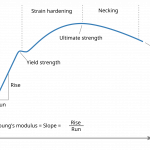
Stiffness, or dynamic modulus, measures how rigid a concrete structure is. A high stiffness value typically means the surface is resistant to deformation, offering strong load support. A drop in stiffness often signals developing weaknesses, such as porosity or crack propagation.
- Predict potential deflection problems before they impact functionality.
- Identify areas vulnerable to cracking or surface failure.
- Support strategic maintenance plans to extend lifespan.
Damping: Detecting Problems Before They Surface
Damping tracks how quickly vibrations in a material disappear. Rising damping trends can flag subtle changes in the internal composition, pointing to microcracking, excess moisture, or loss of bonding between aggregates and cement paste. This data lets teams intervene proactively instead of reactively.
- Spot structural damage before it’s visible.
- Monitor post-repair effectiveness to ensure long-term stability.
- Fine-tune designs to minimize potential vibration-based damage.
The Problem with Relying on Single Metrics
Evaluating stiffness alone can catch many issues, but it doesn’t always reveal the complete picture. Damage could be developing without a significant change in stiffness values. By pairing stiffness readings with damping measurement, the assessment becomes far more powerful:
| Scenario | Stiffness Trend | Damping Trend | Likely Condition |
|---|---|---|---|
| Healthy consolidation | Stable or increasing | Stable or low | Strong structure, no active cracking |
| Microcrack growth | Falling | Rising | Early-stage structural damage |
| Post-expansion recovery | Recovering | Stable | Cracks filled, structure stabilizing |
From Research to Real-World Decisions
Studies in concrete performance, such as those involving blast furnace slag and limestone filler, have shown that dynamic modulus trends provide a sensitive health indicator. Non-destructive methods, like Impulse Excitation Technique, can capture these subtle changes over time and add the valuable damping metric to the same quick test.
As seen in long-term trials exceeding 750 days, stiffness and damping shifts correlate to internal changes such as delayed expansion or crack recovery. This makes the approach more predictive and actionable than conventional spot checks.
Applications Across Industries
The benefits of measuring stiffness and damping in concrete extend far beyond civil engineering projects:
- Infrastructure Maintenance: Roads, bridges, and tunnels can be assessed for hidden damage before structural failures occur.
- High-Rise Safety: Tall buildings experience both load stresses and vibration—monitoring both factors ensures better resilience against environmental forces.
- Industrial Facilities: Concrete floors and foundations supporting heavy machinery can be tested for degradation without production downtime.
How Non-Destructive Testing Saves Time and Money
Non-destructive testing using stiffness and damping metrics is quick, safe, and cost-effective. By avoiding physical alterations, structures remain operational while data is gathered. This proactive approach reduces repair bills, extends material life, and minimizes safety risks.
For companies looking to integrate this practice, solutions such as the GrindoSonic MK7 streamline stiffness and damping measurement into a single, automated step.
Best Practices for Using Stiffness and Damping in Quality Control
- Establish baseline measurements immediately after construction.
- Perform periodic checks to identify changes in material behavior.
- Analyze both stiffness and damping trends together for clearer results.
- Document and compare results to forecast maintenance schedules.
FAQ
What does measuring stiffness in concrete reveal?
Measuring stiffness shows how resistant a structure is to deformation under load. High stiffness values indicate strong, rigid material, while lower values can signal hidden weaknesses or deterioration.
Why is damping important for concrete assessment?
Damping highlights how quickly vibrations fade within the material. Increased damping can point to developing microcracks, moisture intrusion, or bonding loss—conditions that often appear before visible damage.
Can stiffness and damping be measured without damaging the concrete?
Yes. Non-destructive testing techniques, such as the Impulse Excitation Technique, allow quick measurement without cutting or altering the material.
How often should concrete stiffness and damping be checked?
For high-value or critical structures, monitoring every 6 to 12 months is recommended, or more frequently in environments with high stress or exposure.
Do stiffness and damping measurements apply to materials other than concrete?
Absolutely. These metrics are valuable for metals, ceramics, polymers, and composite materials, making them useful in a wide range of industries.
Ensure your concrete structures remain safe, strong, and cost-efficient by adopting a proactive monitoring approach. Contact us today to learn how stiffness and damping analysis can safeguard your projects from hidden damage and costly repairs.